

What is a DC motor?
Jul 06, 2026
Leave a message
A DC motor, short for direct current motor, is a type of electric motor that converts electrical energy into mechanical energy. It operates based on the principle of electromagnetism, where the interaction between a magnetic field and an electric current produces a force that causes the motor to rotate. DC motors are widely used in various applications due to their simplicity, controllability, and efficiency.
Working Principle of DC Motors
The basic components of a DC motor include a stator, a rotor, and a commutator. The stator is the stationary part of the motor and typically consists of permanent magnets or electromagnets that create a magnetic field. The rotor, also known as the armature, is the rotating part of the motor and contains coils of wire. When an electric current is passed through the coils of the rotor, a magnetic field is generated around the coils. This magnetic field interacts with the magnetic field of the stator, resulting in a force that causes the rotor to rotate.
The commutator is a crucial component of a DC motor that ensures the continuous rotation of the rotor. It consists of a set of copper segments that are insulated from each other and are connected to the coils of the rotor. As the rotor rotates, the commutator reverses the direction of the current in the coils at the appropriate time, ensuring that the magnetic field of the rotor always interacts with the magnetic field of the stator in a way that produces a continuous rotational force.

Types of DC Motors
There are several types of DC motors, each with its own characteristics and applications. The most common types include:
- Permanent Magnet DC Motors: These motors use permanent magnets to create the magnetic field in the stator. They are simple in construction, efficient, and have a high torque-to-weight ratio. Permanent magnet DC motors are commonly used in small appliances, toys, and automotive applications.
- Series DC Motors: In a series DC motor, the field winding is connected in series with the armature winding. This type of motor has a high starting torque and is suitable for applications that require high starting power, such as electric vehicles, cranes, and hoists.
- Shunt DC Motors: Shunt DC motors have the field winding connected in parallel with the armature winding. They have a relatively constant speed and are suitable for applications that require a constant speed, such as conveyor belts, machine tools, and fans.
- Compound DC Motors: Compound DC motors combine the characteristics of series and shunt motors. They have both a series field winding and a shunt field winding, which allows them to have a high starting torque and a relatively constant speed. Compound DC motors are commonly used in applications that require both high starting power and constant speed, such as elevators and printing presses.
Advantages of DC Motors
DC motors offer several advantages over other types of motors, including:
- High Starting Torque: DC motors can provide a high starting torque, which makes them suitable for applications that require a large amount of power to start, such as electric vehicles and industrial machinery.
- Controllability: DC motors can be easily controlled by adjusting the voltage or current applied to the motor. This allows for precise control of the motor's speed and torque, making them suitable for applications that require accurate speed control, such as robotics and automation.
- Efficiency: DC motors are generally more efficient than other types of motors, especially at low speeds. This makes them suitable for applications that require long periods of operation, such as electric vehicles and solar power systems.
- Compact Size: DC motors can be designed to be compact and lightweight, making them suitable for applications where space is limited, such as small appliances and portable devices.
Applications of DC Motors
DC motors are used in a wide range of applications, including:
- Automotive Industry: DC motors are used in electric vehicles, hybrid vehicles, and automotive accessories such as power windows, windshield wipers, and seat adjusters.
- Industrial Automation: DC motors are used in industrial machinery such as conveyor belts, machine tools, and robotics. They provide precise control of speed and torque, making them suitable for applications that require accurate positioning and movement.
- Home Appliances: DC motors are used in a variety of home appliances such as fans, vacuum cleaners, and refrigerators. They provide efficient and reliable operation, making them a popular choice for household applications.
- Renewable Energy Systems: DC motors are used in solar power systems and wind turbines to convert electrical energy into mechanical energy. They are also used in battery charging systems to control the charging process and ensure the efficient use of energy.
Our DC Motor Offerings
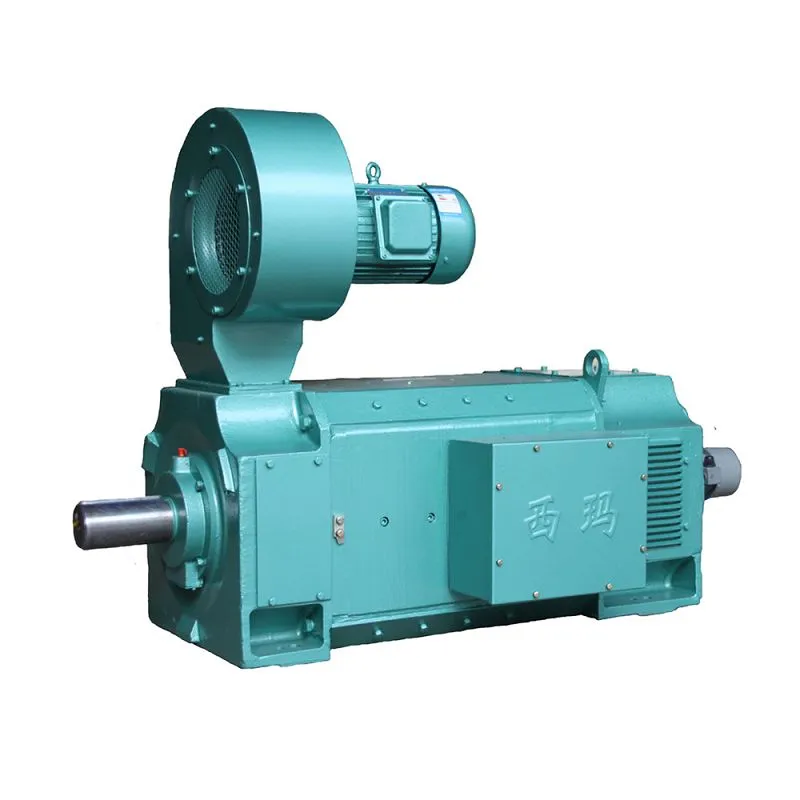
As a leading DC motor supplier, we offer a wide range of high-quality DC motors to meet the needs of various applications. Our product portfolio includes Z4 DC Motor, Motor Electric 220, and 22kW 110 V DC Motor. These motors are designed and manufactured to the highest standards of quality and performance, ensuring reliable operation and long service life.
Our DC motors are available in a variety of sizes, power ratings, and configurations to suit different applications. We also offer customized solutions to meet the specific requirements of our customers. Our team of experienced engineers and technicians can provide technical support and assistance to help you select the right motor for your application.
Contact Us for DC Motor Purchases
If you are interested in purchasing DC motors for your application, we invite you to contact us. Our sales team will be happy to assist you in selecting the right motor for your needs and providing you with a competitive quote. We offer competitive pricing, fast delivery, and excellent customer service.
We understand the importance of providing high-quality products and services to our customers. That's why we are committed to continuous improvement and innovation in our products and processes. We strive to meet and exceed our customers' expectations by providing them with the best possible solutions for their DC motor needs.
References
- Chapman, S. J. (2012). Electric Machinery Fundamentals. McGraw-Hill Education.
- Fitzgerald, A. E., Kingsley, C., & Umans, S. D. (2003). Electric Machinery. McGraw-Hill Education.
- Krause, P. C., Wasynczuk, O., & Sudhoff, S. D. (2013). Analysis of Electric Machinery and Drive Systems. Wiley.