

What is the insulation class of a cement DC motor?
Jun 25, 2026
Leave a message
Yo, what's up everyone! As a supplier of cement DC motors, I've been getting a bunch of questions lately about the insulation class of these motors. So, I thought I'd take a few minutes to break it down for you.
First things first, let's talk about why insulation class matters. In a cement DC motor, the insulation is what keeps the electrical current flowing where it's supposed to go and prevents it from short - circuiting or causing other problems. Different insulation classes can handle different levels of heat, and since motors generate heat when they're running, it's crucial to choose the right insulation class to ensure the motor's longevity and performance.
There are several insulation classes for motors, and they're usually labeled with letters like A, B, F, and H. Each class has a specific maximum temperature limit that it can withstand over a long period without degrading.
Let's start with Class A insulation. This is one of the older and less heat - resistant classes. It can handle a maximum temperature of around 105°C. Motors with Class A insulation were more common in the past, but they're not as popular today, especially in high - demand applications like cement production. The heat generated in cement DC motors during continuous operation can easily exceed this limit, which would lead to premature insulation breakdown and motor failure.
Class B insulation is an improvement over Class A. It can tolerate a maximum temperature of about 130°C. This makes it a better choice for many industrial applications, including some cement DC motor setups. The extra heat tolerance gives the motor a bit more leeway, reducing the risk of insulation damage due to normal operating temperatures. However, in some high - stress cement operations where the motor is running at full capacity for long periods, even Class B might not be enough.
Now, let's move on to Class F insulation. This is a pretty popular choice for cement DC motors. It can handle a maximum temperature of 155°C. With this higher heat tolerance, motors with Class F insulation can operate more reliably in the demanding environment of cement production. The increased temperature resistance means that the insulation will last longer, reducing the need for frequent replacements and maintenance. This is a big plus for cement plants that rely on their motors to keep the production line running smoothly.

And then there's Class H insulation. This is the top - of - the - line when it comes to heat resistance. It can withstand a whopping 180°C. Motors with Class H insulation are ideal for the most extreme cement production scenarios, where the motor is under heavy load and generating a ton of heat. While Class H insulation is more expensive, the long - term benefits in terms of reduced downtime and increased motor lifespan can make it a worthwhile investment.
As a cement DC motor supplier, I always recommend choosing an insulation class based on the specific requirements of your application. If your motor is going to be running at a relatively low load and for short periods, Class B might be sufficient. But if you're dealing with continuous, heavy - duty operation, Class F or even Class H is the way to go.
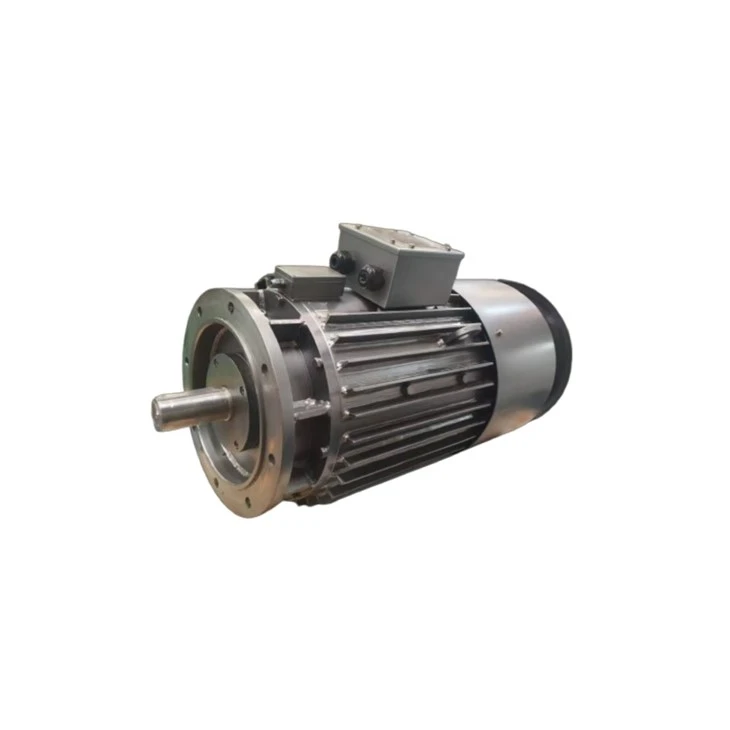
Now, let's talk a bit about some of the products we offer. We've got the ZDH06 - 13 Direct Current 13kw Motor 220V Ip54. This motor is a great choice for many cement applications. It comes with a high - quality insulation class that can handle the heat generated during normal operation. Whether you're using it for mixing, grinding, or any other process in the cement production line, it's built to last.
We also have a range of Shunt and Compound Motors. These motors are designed to provide different levels of torque and speed control, which is crucial in cement production. The insulation class on these motors is carefully selected to match their performance requirements, ensuring reliable operation in the tough cement environment.
And don't forget about the DC Carbon Brush. This is an essential component in any DC motor, including our cement DC motors. The carbon brushes are responsible for transferring electrical current to the motor's rotating parts, and they need to work well in conjunction with the motor's insulation. We offer high - quality carbon brushes that are designed to work seamlessly with our motors, ensuring optimal performance.
If you're in the market for a cement DC motor, it's important to do your research and choose the right insulation class for your needs. But if you're not sure where to start, that's where I come in. I've got years of experience in the industry, and I can help you figure out which motor and insulation class is the best fit for your cement production process.
Whether you're a small - scale cement producer or a large industrial plant, we've got the products and expertise to meet your needs. So, if you're interested in learning more about our cement DC motors or have any questions about insulation classes, don't hesitate to reach out. Let's have a chat and discuss how we can help you get the most out of your motor investment.
References
- Industry standards for motor insulation classes
- Manufacturer's data sheets for cement DC motors