

What are the installation requirements for a 500kW motor?
Apr 01, 2026
Leave a message
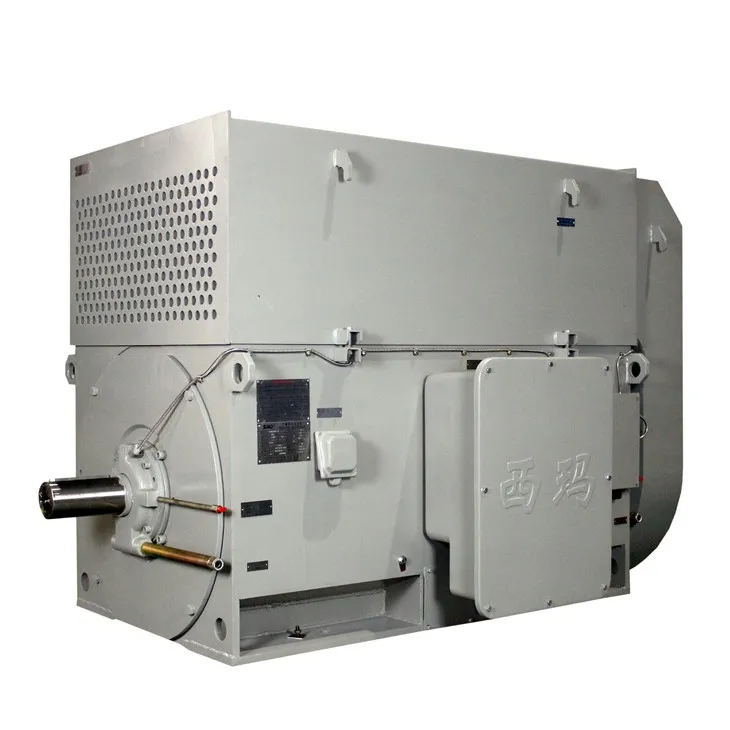
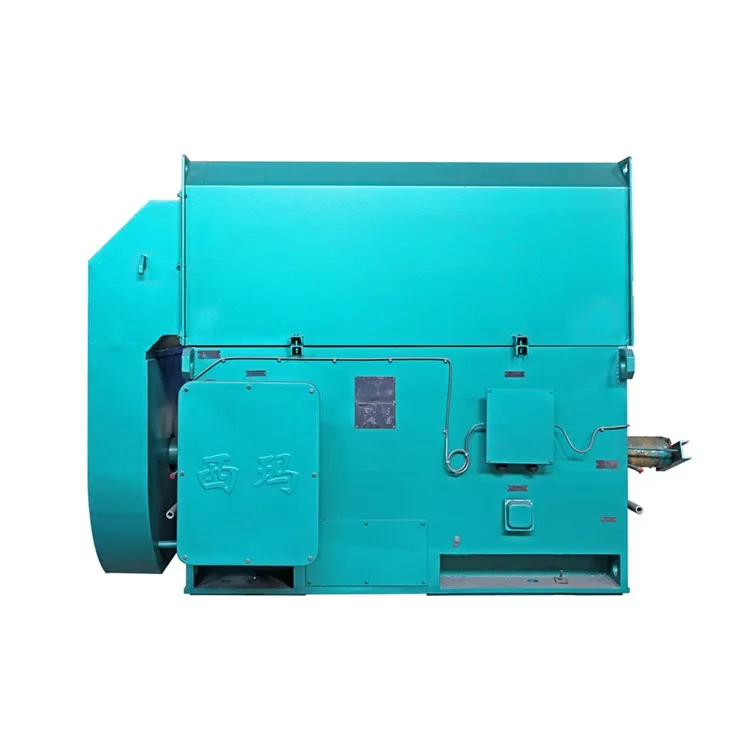
As a supplier of 500kW motors, I am often asked about the installation requirements for these powerful machines. A 500kW motor is a significant investment, and proper installation is crucial to ensure its optimal performance, longevity, and safety. In this blog post, I will delve into the key installation requirements for a 500kW motor, providing valuable insights for those looking to integrate such a motor into their industrial operations.
Site Preparation
The first step in installing a 500kW motor is to prepare the installation site. This involves several important considerations:
Space Requirements
A 500kW motor is relatively large and requires adequate space for installation, operation, and maintenance. The motor should be installed in a well-ventilated area with sufficient clearance around it to allow for proper air circulation. As a general rule, there should be at least 3 feet of clearance on all sides of the motor and 5 feet of clearance above it. This space is necessary to prevent overheating and to provide easy access for maintenance personnel.
Foundation
The motor must be installed on a solid and level foundation to prevent vibration and ensure stable operation. The foundation should be designed to support the weight of the motor and any associated equipment, such as couplings and belts. For a 500kW motor, a concrete foundation is typically recommended. The foundation should be at least 12 inches thick and should be properly reinforced to withstand the dynamic forces generated by the motor.
Electrical Supply
A 500kW motor requires a significant amount of electrical power. Before installation, it is essential to ensure that the electrical supply at the site is adequate. The motor should be connected to a dedicated electrical circuit with the appropriate voltage and current capacity. The electrical supply should also be protected by appropriate circuit breakers and fuses to prevent electrical overloads and short circuits. It is recommended to consult with a qualified electrical engineer to design and install the electrical system for the motor.
Motor Mounting
Once the site is prepared, the next step is to mount the motor. This involves the following steps:
Alignment
Proper alignment of the motor with the driven equipment is crucial for efficient operation and to prevent premature wear and tear. Misalignment can cause excessive vibration, noise, and damage to the motor and the driven equipment. To ensure proper alignment, laser alignment tools are commonly used. These tools can accurately measure the alignment of the motor and the driven equipment and provide real-time feedback to the installer.
Coupling Installation
The motor is typically connected to the driven equipment using a coupling. There are several types of couplings available, including flexible couplings and rigid couplings. The choice of coupling depends on the specific application and the requirements of the motor and the driven equipment. When installing the coupling, it is important to follow the manufacturer's instructions carefully to ensure proper installation and alignment.
Belt Installation (if applicable)
In some applications, the motor may be connected to the driven equipment using a belt. When installing the belt, it is important to ensure that the belt is properly tensioned. Over-tensioning can cause excessive wear on the belt and the motor bearings, while under-tensioning can cause the belt to slip, resulting in reduced efficiency and power transmission.
Cooling System Installation
A 500kW motor generates a significant amount of heat during operation, and it is essential to have an effective cooling system in place to prevent overheating. There are several types of cooling systems available for motors, including air cooling, water cooling, and oil cooling.
Air Cooling
Air cooling is the simplest and most common method of cooling for motors. In an air-cooled system, the motor is equipped with a fan that blows air over the motor's surface to dissipate heat. When installing an air-cooled motor, it is important to ensure that the air intake and exhaust vents are not blocked to allow for proper air circulation.
Water Cooling
Water cooling is a more efficient method of cooling for motors, especially in high-power applications. In a water-cooled system, water is circulated through a cooling jacket around the motor to absorb heat. When installing a water-cooled motor, it is important to ensure that the water supply is clean and free of debris to prevent clogging of the cooling system. The water flow rate and temperature should also be monitored and controlled to ensure optimal cooling performance.
Oil Cooling
Oil cooling is another method of cooling for motors, particularly in applications where high temperatures are expected. In an oil-cooled system, oil is circulated through the motor to absorb heat. When installing an oil-cooled motor, it is important to ensure that the oil level is maintained at the proper level and that the oil is changed regularly to prevent contamination and degradation.
Control System Installation
A 500kW motor is typically controlled by a control system that allows for starting, stopping, and speed control of the motor. The control system may include a motor starter, a variable frequency drive (VFD), and a control panel.
Motor Starter Installation
The motor starter is responsible for starting and stopping the motor. There are several types of motor starters available, including direct-on-line (DOL) starters, star-delta starters, and soft starters. The choice of motor starter depends on the specific application and the requirements of the motor. When installing the motor starter, it is important to ensure that it is properly sized and rated for the motor.
Variable Frequency Drive (VFD) Installation
A VFD is a device that allows for precise control of the motor's speed and torque. When installing a VFD, it is important to ensure that it is properly installed and configured. The VFD should be installed in a well-ventilated area to prevent overheating, and it should be connected to the motor and the electrical supply using the appropriate cables and connectors.
Control Panel Installation
The control panel is the interface between the operator and the motor control system. It typically includes switches, buttons, and indicators for controlling and monitoring the motor. When installing the control panel, it is important to ensure that it is easily accessible and that the wiring is properly labeled and organized.
Safety Considerations
Safety is of utmost importance when installing a 500kW motor. The following safety considerations should be taken into account:
Electrical Safety
As mentioned earlier, the electrical supply for the motor should be properly installed and protected to prevent electrical hazards. All electrical connections should be made by a qualified electrician, and the motor should be grounded to prevent electrical shock.
Mechanical Safety
The motor and the associated equipment should be guarded to prevent accidental contact with moving parts. Guards should be installed around the motor's fan, coupling, and belts to prevent injury to personnel.
Fire Safety
The motor should be installed in a fire-resistant area, and appropriate fire suppression systems should be installed in case of a fire. The electrical system should also be designed to prevent electrical fires.
Commissioning and Testing
Once the motor is installed, it is important to commission and test the motor to ensure that it is operating properly. Commissioning involves checking the installation, wiring, and control system to ensure that everything is in order. Testing involves running the motor at different speeds and loads to verify its performance and to identify any potential problems.
During commissioning and testing, the following parameters should be monitored:
- Temperature: The motor's temperature should be monitored to ensure that it does not exceed the manufacturer's recommended limits.
- Vibration: The motor's vibration should be monitored to ensure that it is within acceptable limits. Excessive vibration can indicate misalignment or other problems.
- Current and Voltage: The motor's current and voltage should be monitored to ensure that they are within the specified range.
In conclusion, installing a 500kW motor requires careful planning, proper installation techniques, and strict adherence to safety regulations. By following the installation requirements outlined in this blog post, you can ensure that your 500kW motor operates efficiently, reliably, and safely.
If you are in the market for a 500kW motor or have any questions about motor installation, please feel free to contact us. We are a leading supplier of high-quality Industrial Asynchronous Motors, Continuous Rotation Motor, and Motor 1000 KW. Our team of experts is ready to assist you with your motor selection and installation needs.
References
- Electrical Installation Guide for Industrial Motors, Manufacturer's Manual
- Motor Cooling Systems: Principles and Applications, Industry Publication
- Safety Standards for Motor Installation, National Electrical Code