

How to connect multiple 220V DC motors together?
Apr 02, 2026
Leave a message
Connecting multiple 220V DC motors together can be a complex yet rewarding endeavor, especially for applications requiring high power or coordinated movement. As a trusted 220V DC motor supplier, we understand the intricacies involved in such setups and are here to guide you through the process.
Understanding the Basics of 220V DC Motors
Before delving into the connection methods, it's essential to have a solid understanding of 220V DC motors. These motors operate on a direct current (DC) power supply with a voltage of 220 volts. They are commonly used in various industrial and commercial applications due to their high efficiency, controllability, and reliable performance.
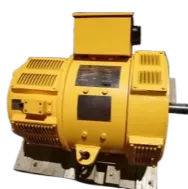
There are different types of 220V DC motors, each with its own characteristics and applications. For instance, the ZSN4 Cement DC Motor is specifically designed for use in the cement industry, where it provides the necessary power and torque for heavy-duty operations. On the other hand, the Series and Shunt DC Motor offers different speed - torque characteristics depending on whether it's connected in series or shunt configuration, making it suitable for a wide range of applications. The DC Shunt Machine is known for its relatively constant speed and is often used in applications where a stable rotational speed is required.
Factors to Consider Before Connecting Multiple Motors
Power Requirements
The first factor to consider is the power supply. Ensure that your power source can provide enough current to meet the combined power demands of all the motors. Each 220V DC motor has a specific power rating, usually measured in watts (W) or horsepower (HP). Calculate the total power requirement by adding up the power ratings of all the motors you plan to connect.

Motor Characteristics
Motors may have different speed - torque characteristics, starting currents, and efficiency levels. It's crucial to select motors with similar characteristics to ensure they operate smoothly together. Mismatched motors can lead to uneven load distribution, overheating, and premature motor failure.
Control Requirements
Determine how you want to control the motors. You may need individual control for each motor, or you might want them to operate in a coordinated manner. This will influence the type of control system you choose, such as a simple on - off switch or a more sophisticated motor controller.
Connection Methods
Parallel Connection
One of the simplest ways to connect multiple 220V DC motors is in parallel. In a parallel connection, each motor is connected directly across the power supply. The voltage across each motor is the same (220V in this case), and the total current drawn from the power supply is the sum of the currents drawn by each motor.
The advantage of a parallel connection is that if one motor fails, the others can still operate independently. However, parallel - connected motors share the load equally only if they have identical electrical characteristics. If the motors have different resistances or load requirements, the current distribution may be uneven, leading to overheating in some motors.
Here's a step - by - step guide on how to make a parallel connection:
- Turn off the power supply to ensure safety during the connection process.
- Identify the positive (+) and negative (-) terminals of each motor and the power supply.
- Connect all the positive terminals of the motors together and then connect this combined terminal to the positive terminal of the power supply.
- Connect all the negative terminals of the motors together and then connect this combined terminal to the negative terminal of the power supply.
Series Connection
In a series connection, the motors are connected end - to - end, so the same current flows through each motor. The total voltage across the series combination is the sum of the voltages across each motor. However, when using 220V DC motors, a series connection may not be practical in most cases because the voltage across each motor would be less than 220V, which may cause the motors to operate at reduced speed or not at all.
If you still want to use a series connection for some specific reasons, here's how to do it:
- Turn off the power.
- Connect the positive terminal of the first motor to the positive terminal of the power supply.
- Connect the negative terminal of the first motor to the positive terminal of the second motor, and so on for all the motors.
- Connect the negative terminal of the last motor to the negative terminal of the power supply.
Series - Parallel Connection
A series - parallel connection combines the features of both series and parallel connections. It can be used to achieve a balance between voltage and current requirements. For example, you can group the motors into series - connected pairs and then connect these pairs in parallel.
The steps for a series - parallel connection are as follows:
- Group the motors into pairs.
- Connect the motors in each pair in series as described above.
- Connect the positive terminals of all the series - connected pairs together and the negative terminals together.
- Connect the combined positive and negative terminals to the power supply.
Control and Protection
Once the motors are connected, it's important to implement proper control and protection measures. Use a motor controller to regulate the speed, torque, and direction of the motors. Motor controllers can range from simple manual controls to advanced programmable logic controllers (PLCs).
In addition, install protective devices such as fuses, circuit breakers, and over - temperature sensors. Fuses and circuit breakers protect the motors and the power supply from over - current situations, while over - temperature sensors can prevent the motors from overheating.
Testing and Troubleshooting
After connecting the motors and installing the control and protection devices, it's time to test the system. Turn on the power supply gradually and observe the operation of the motors. Check for any abnormal noises, vibrations, or overheating.
If you encounter any problems, start by checking the connections for loose wires or incorrect wiring. Measure the voltage and current at various points in the circuit to ensure they are within the expected range. Refer to the motor manufacturer's specifications and troubleshooting guides for further assistance.
Conclusion
Connecting multiple 220V DC motors together requires careful planning, consideration of various factors, and the use of appropriate connection methods. As a 220V DC motor supplier, we have the expertise and high - quality products to support your motor connection projects.
Whether you are working on an industrial automation system, a heavy - duty machinery application, or any other project that requires multiple motors, we can provide you with the right motors and guidance. If you are interested in purchasing our 220V DC motors or need more information about motor connection, feel free to contact us for in - depth procurement discussions. We look forward to collaborating with you on your next project.
References
- Fitzgerald, A. E., Kingsley, C., & Umans, S. D. (2003). Electric Machinery. McGraw - Hill Education.
- Chapman, S. J. (2012). Electric Machinery Fundamentals. McGraw - Hill Education.