

What are the requirements for operating large DC motors in parallel?
Aug 04, 2026
Leave a message
Operating large DC motors in parallel can offer numerous benefits, such as increased power output and enhanced system flexibility. However, it also comes with specific requirements to ensure safe and efficient operation. As a large DC motor supplier, I have extensive experience in this area and would like to share the key requirements for operating large DC motors in parallel.
Electrical Characteristics Matching
One of the most critical requirements for operating large DC motors in parallel is to ensure that the electrical characteristics of the motors are well - matched. This includes factors such as voltage, current rating, and speed - torque characteristics.
Voltage Matching
All the DC motors connected in parallel must have the same rated voltage. If the voltage ratings are different, the motor with the higher voltage will try to drive the current into the motor with the lower voltage, which can lead to over - current in the lower - voltage motor and may cause damage. For example, if one motor is rated at 220V and another at 440V, and they are connected in parallel, the 220V motor will be subjected to excessive current, potentially burning out its windings.
Current Rating
The current ratings of the motors should also be similar. Motors with significantly different current ratings may not share the load evenly. A motor with a higher current rating may take on a larger portion of the load, while the motor with a lower current rating may be under - utilized. This uneven load sharing can lead to overheating in the over - loaded motor and reduced overall system efficiency.
Speed - Torque Characteristics
The speed - torque characteristics of the motors should be closely matched. Motors with different speed - torque curves may not operate synchronously when connected in parallel. For instance, if one motor has a steep speed - torque curve and another has a flat curve, they may have different speeds at the same load, causing mechanical stress on the drive system and potentially leading to premature wear and tear.
Mechanical Coupling
Proper mechanical coupling is essential when operating large DC motors in parallel. The motors should be mechanically connected in such a way that they can share the load evenly.
Alignment
The motors must be accurately aligned to ensure smooth operation. Misalignment can cause excessive vibration, increased friction, and premature bearing wear. Laser alignment tools can be used to achieve precise alignment, ensuring that the shafts of the motors are in perfect line with each other.
Coupling Type
The choice of coupling is also crucial. Flexible couplings are often preferred as they can absorb some of the misalignment and shock loads. They can also compensate for small differences in shaft speeds, reducing the stress on the motors and the drive system. For example, a rubber - in - compression coupling can provide good flexibility and damping characteristics.
Control System
A well - designed control system is necessary to manage the operation of large DC motors in parallel.
Speed Control
The control system should be able to regulate the speed of each motor accurately. This can be achieved through the use of speed controllers, such as thyristor - based controllers or pulse - width modulation (PWM) controllers. These controllers can adjust the voltage and current supplied to the motors to maintain a constant speed, regardless of the load changes.
Load Sharing
The control system should also ensure proper load sharing among the motors. This can be accomplished by monitoring the current and speed of each motor and adjusting the control signals accordingly. For example, if one motor is taking on more load than the others, the control system can reduce the power supplied to it and increase the power to the other motors to achieve a more balanced load distribution.
Protection Devices
To ensure the safety and reliability of the system, appropriate protection devices should be installed.
Over - Current Protection
Over - current protection devices, such as fuses or circuit breakers, should be used to prevent excessive current from flowing through the motors. These devices can detect abnormal current levels and quickly disconnect the power supply to the motors, protecting them from damage.
Over - Temperature Protection
Over - temperature protection sensors can be installed on the motors to monitor their temperature. If the temperature exceeds a certain limit, the control system can reduce the power supplied to the motors or shut them down to prevent overheating.
Short - Circuit Protection
Short - circuit protection is also essential. In the event of a short - circuit in the motor windings or the power supply circuit, the protection device should quickly isolate the faulty circuit to prevent damage to the other motors and the entire system.
Cooling System
Large DC motors generate a significant amount of heat during operation, especially when operating in parallel. Therefore, an effective cooling system is required.
Cooling Method
There are several cooling methods available, such as air cooling, water cooling, and oil cooling. Air - cooled motors are the most common and cost - effective option. They use fans to blow air over the motor windings to dissipate heat. Water - cooled motors are more efficient in removing heat but require a more complex cooling system. Oil - cooled motors are often used in high - power applications where the heat dissipation requirements are very high.
Cooling Capacity
The cooling system should have sufficient capacity to handle the heat generated by all the motors operating in parallel. This requires careful calculation of the heat load and the selection of an appropriate cooling system. For example, if the total heat generated by the motors is 100 kW, the cooling system should be able to remove at least this amount of heat to maintain the motors at a safe operating temperature.
Monitoring and Maintenance
Regular monitoring and maintenance are essential for the long - term operation of large DC motors in parallel.
Monitoring
Continuous monitoring of the motors' electrical and mechanical parameters is necessary. This includes monitoring the voltage, current, speed, temperature, and vibration of the motors. By analyzing these parameters, potential problems can be detected early, allowing for timely maintenance and repair.
Maintenance
Regular maintenance, such as lubrication of bearings, inspection of electrical connections, and cleaning of the motor windings, is required to ensure the proper operation of the motors. Maintenance schedules should be established based on the manufacturer's recommendations and the operating conditions of the motors.
As a large DC motor supplier, we offer a wide range of high - quality DC motors, including the Ip23 Motor, ZDL4 - 200 - 21F2 TH DC Ip44 Motor 220 V IC 411, and ZDH08 - 36 Direct Current IC411 Motor Cooling 36kW 2950rpm. Our motors are designed to meet the highest standards of quality and performance, and we can provide professional advice on operating motors in parallel.
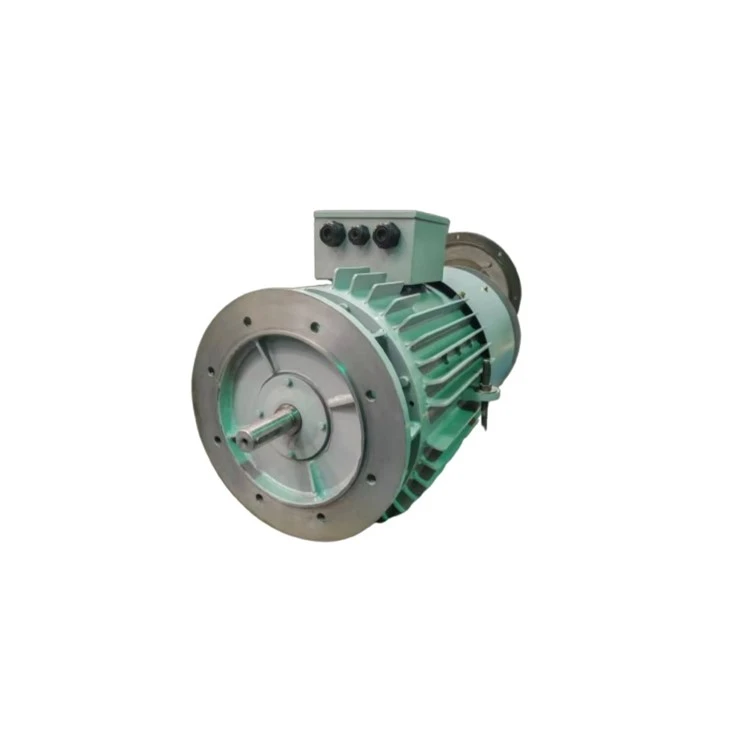

If you are interested in purchasing large DC motors or need more information on operating them in parallel, please feel free to contact us for a detailed discussion and procurement negotiation.
References
- Chapman, S. J. (2012). Electric Machinery Fundamentals. McGraw - Hill Education.
- Fitzgerald, A. E., Kingsley, C., & Umans, S. D. (2003). Electric Machinery. McGraw - Hill.
- Krause, P. C., Wasynczuk, O., & Sudhoff, S. D. (2013). Analysis of Electric Machinery and Drive Systems. Wiley.