

What is the impact of altitude on high power motors?
Sep 21, 2026
Leave a message
Altitude can have a significant impact on high power motors, and as a high power motor supplier, understanding these effects is crucial for ensuring the optimal performance and longevity of our products. In this blog, we'll explore the various ways altitude influences high power motors and what it means for our customers.
Temperature and Cooling
One of the most significant impacts of altitude on high power motors is related to temperature and cooling. As altitude increases, the air density decreases. This reduction in air density affects the motor's ability to dissipate heat. Motors generate heat during operation, and they rely on the surrounding air to carry this heat away. With less dense air at higher altitudes, the cooling efficiency of the motor is reduced.
For example, a motor that operates at a normal temperature at sea - level may experience overheating at high altitudes. This overheating can lead to a variety of problems, such as reduced insulation life, increased wear on bearings, and even motor failure. To compensate for this, motors operating at high altitudes may need to be derated. Derating means reducing the motor's power output to keep the temperature within a safe range.
Let's take a look at some of our products. The YVF160M - 4 VVVF Three - phase Asynchronous Motor 380 V is a high - power motor designed for a wide range of industrial applications. When used at high altitudes, its performance might be affected by the reduced cooling capacity. Customers need to be aware of this and consult with us to determine if derating is necessary.
Electrical Performance
Altitude also affects the electrical performance of high power motors. The lower air density at high altitudes can lead to increased corona discharge. Corona discharge is a phenomenon where the air around a conductor ionizes, causing a loss of electrical energy. This can result in reduced motor efficiency and increased power consumption.
In addition, the dielectric strength of the air decreases with altitude. Dielectric strength is the ability of an insulating material (in this case, air) to withstand an electric field without breaking down. At high altitudes, the reduced dielectric strength means that motors need to be designed with appropriate insulation to prevent electrical breakdown. Our YVF135M - 4A VVVF Induction Motor Energy - efficient 7.5KW is engineered to meet high - quality standards, but at high altitudes, special considerations regarding insulation and electrical performance need to be taken into account.
Mechanical Stress
The mechanical stress on a high power motor can also be influenced by altitude. The lower air pressure at high altitudes can cause changes in the internal pressure of the motor. This can affect the seals and gaskets in the motor, potentially leading to leaks. Moreover, the reduced air density can also impact the performance of fans and other cooling components, which in turn can affect the overall mechanical balance of the motor.
Another aspect is the expansion and contraction of materials due to temperature changes at high altitudes. Different materials in the motor, such as metals and plastics, may expand or contract at different rates. This can cause mechanical stress and potentially lead to component failure. Our YE4 - 132S - 4 Three Phase Asychronous Motor Ip 55 380V is built to withstand a certain level of mechanical stress, but at high altitudes, additional precautions may be required.
Lubrication
Lubrication is essential for the smooth operation of high power motors. At high altitudes, the lower air pressure can affect the performance of lubricants. The reduced air pressure can cause lubricants to evaporate more quickly, leading to a decrease in the lubricating properties. This can result in increased friction and wear on motor components, such as bearings and gears.
To address this issue, special lubricants or lubrication systems may be required for motors operating at high altitudes. Our team of experts can provide guidance on the appropriate lubricants and maintenance schedules to ensure the optimal performance of our motors in high - altitude environments.
Solutions for High - Altitude Applications
As a high power motor supplier, we offer several solutions to mitigate the impact of altitude on our motors. Firstly, we can provide derating curves for our motors, which show how much the motor's power output should be reduced at different altitudes. This helps customers ensure that their motors operate safely and efficiently.
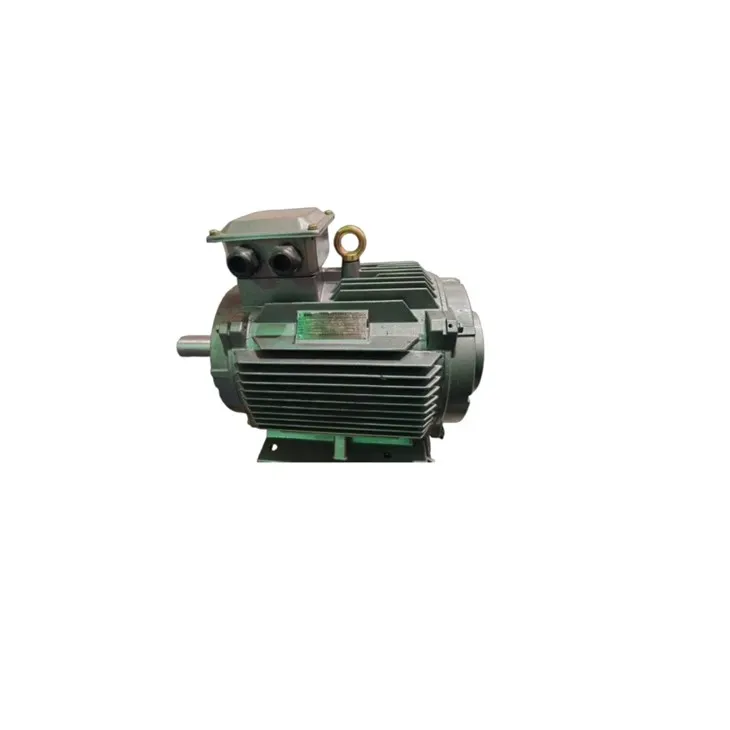
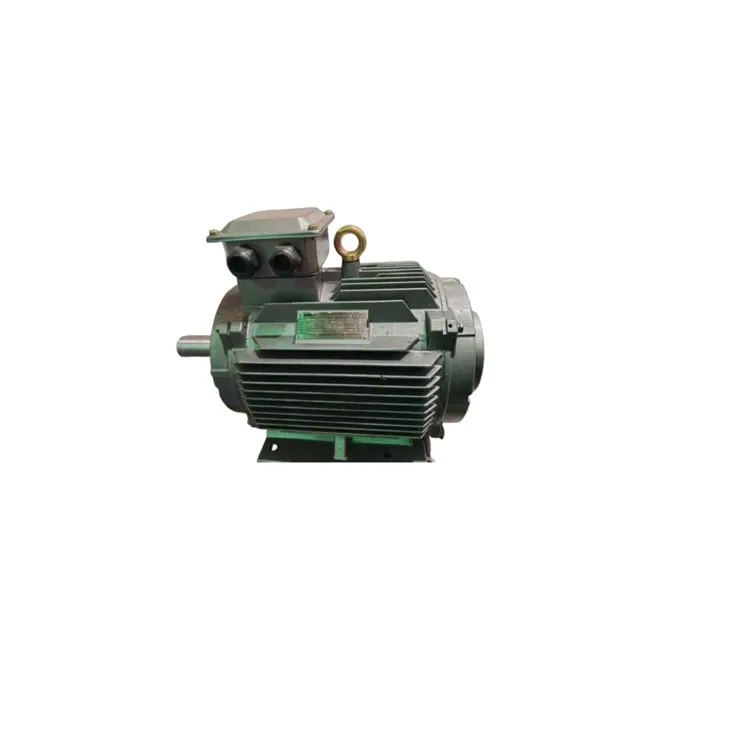
Secondly, we can customize motors for high - altitude applications. This may involve using special insulation materials with higher dielectric strength, improving the cooling system, or using lubricants that are more resistant to evaporation at low air pressures.
Finally, we offer comprehensive after - sales support. Our technical team is available to assist customers with installation, maintenance, and troubleshooting of our motors in high - altitude environments. We can also provide training on how to operate and maintain the motors to ensure their long - term reliability.
Conclusion
In conclusion, altitude has a multi - faceted impact on high power motors, affecting their temperature, electrical performance, mechanical stress, and lubrication. As a high power motor supplier, we are committed to providing our customers with the best solutions for high - altitude applications. We understand the challenges that altitude presents and have the expertise and resources to help our customers overcome them.
If you are in need of high power motors for high - altitude applications, we invite you to contact us for a detailed consultation. Our team of experts will work with you to select the right motors and provide the necessary support to ensure their optimal performance.
References
- IEEE Standard for Determining Ratings of Rotating Electrical Machinery at Altitudes Above 1000 m.
- ASME Boiler and Pressure Vessel Code, Section VIII, Division 1.
- Manufacturer's manuals for high power motors.