

What is the starting current of a high power motor?
May 19, 2026
Leave a message
What is the starting current of a high power motor?
As a high power motor supplier, I often encounter questions from customers about the starting current of high power motors. Understanding the starting current is crucial for both motor selection and system design. In this blog, I will explain what the starting current of a high power motor is, why it matters, and how to deal with it.
What is the starting current of a high power motor?
The starting current of a high power motor refers to the current drawn by the motor when it is first started. When a motor starts, it needs to overcome the inertia of the load and build up the magnetic field, which requires a large amount of current. This initial surge of current can be several times higher than the motor's rated current.

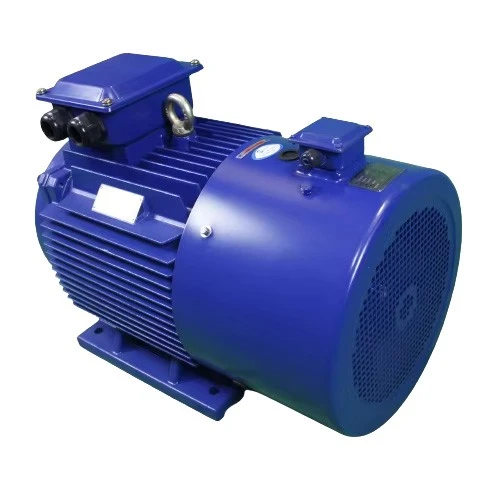
For example, a typical high power motor might have a rated current of 100 amps, but during startup, the starting current could reach 500 amps or more. This high starting current is a characteristic of all motors, but it is particularly significant in high power motors due to their larger size and higher power requirements.
Why does the starting current matter?
The high starting current of a high power motor can have several implications:
- Electrical system stress: The high starting current can put a significant stress on the electrical system, including the power supply, cables, and switchgear. This can lead to voltage drops, overheating, and even damage to the electrical components.
- Motor performance: The high starting current can also affect the motor's performance. If the starting current is too high, it can cause the motor to stall or overheat, leading to reduced efficiency and shortened lifespan.
- Cost: The high starting current can also increase the cost of the electrical system. Larger cables, switchgear, and transformers may be required to handle the high starting current, which can add to the overall cost of the installation.
How to deal with the starting current of a high power motor?
There are several ways to deal with the high starting current of a high power motor:
- Soft starters: Soft starters are devices that gradually increase the voltage and current to the motor during startup, reducing the starting current. This can help to reduce the stress on the electrical system and improve the motor's performance.
- Variable frequency drives (VFDs): VFDs are devices that control the speed and torque of the motor by varying the frequency and voltage of the power supply. VFDs can also be used to reduce the starting current by gradually ramping up the motor's speed.
- Star-delta starters: Star-delta starters are a type of starter that connects the motor in a star configuration during startup and then switches to a delta configuration once the motor has reached a certain speed. This can help to reduce the starting current by reducing the voltage applied to the motor during startup.
Examples of high power motors and their starting currents
Here are some examples of high power motors and their starting currents:
- 180KW Motor: A 180KW motor typically has a rated current of around 300 amps, but during startup, the starting current can reach up to 1500 amps or more.
- 3 Phase Motor Variable Speed 4KW: A 4KW 3-phase motor typically has a rated current of around 8 amps, but during startup, the starting current can reach up to 40 amps or more.
- 2 Hp 3 Phase Motor And Vfd: A 2 Hp 3-phase motor typically has a rated current of around 5 amps, but during startup, the starting current can reach up to 25 amps or more.
Conclusion
The starting current of a high power motor is an important factor to consider when selecting a motor and designing an electrical system. By understanding the starting current and taking appropriate measures to reduce it, you can ensure the reliable operation of the motor and the electrical system, while also reducing the cost and improving the efficiency of the installation.
If you are interested in purchasing high power motors or need more information about starting currents and motor selection, please feel free to contact us. We are a leading high power motor supplier and can provide you with the best solutions for your needs.
References
- Electrical Engineering Handbook, Third Edition, Edited by Richard C. Dorf
- Electric Machinery Fundamentals, Fourth Edition, by Stephen J. Chapman