


High-Voltage Motors: Key Points To Note During Coil Testing
Jul 27, 2026
Leave a message
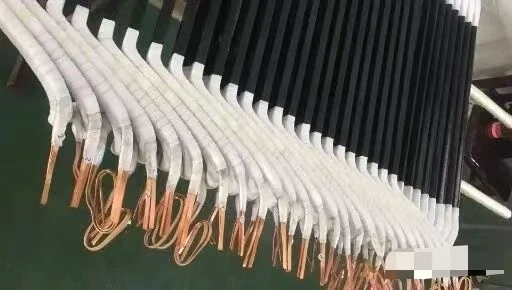
To guarantee the quality and reliability of windings for high-voltage motors, most motor manufacturers conduct piece-by-piece electrical performance inspection on coils before embedding them into the iron core. The inspection items cover interturn insulation and ground insulation of coils.
The interturn insulation test verifies whether the insulation between adjacent turns of the coil meets specifications, while the ground insulation test validates the insulation performance of the coil straight sections. This testing process involves two core aspects: control of test voltage, setting of leakage current, as well as procedural process requirements for operation.
Safety Requirements
Earthing is a critical safety rule for this test. The test bench shall be reliably earthed; operators must wear insulating shoes and insulating gloves, and the coil must be fully discharged after testing is completed. All safety protocols must be strictly followed to prevent electric shock and high-voltage breakdown risks, so as to keep the whole testing work of high-voltage motors coils safe and under control.
Interturn Insulation Test
Connect the two terminals of the test equipment to the head and tail of the coil respectively. Clear the insulating coating off the coil connection points. For multi-parallel turn coils, ensure all wire turns make good contact with the voltage input terminals of the test equipment. For interturn testing, simply place the coil on the bench without extra treatment. After powering off upon test completion, discharge the coil first before carrying out subsequent operations.
Ground Insulation Test
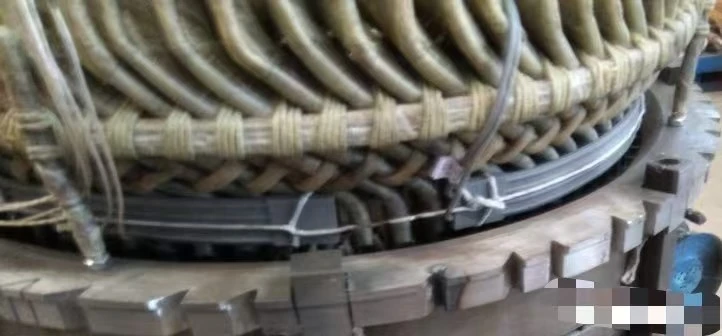
The core of this test lies in simulating the iron core environment. One method is to tightly wrap the straight sections of the coil with metal foil of proper thickness. The wrapped length shall exceed the corresponding iron core length by 15–20 mm, to confirm no insulation defects exist when the coil is installed into the iron core. During testing, the conductor part of the coil is connected to high voltage.
To improve operation efficiency, steel balls with a diameter no more than 2 mm can be used to bury the coil straight sections. Corresponding measures shall be taken to isolate the coil end portions from the steel balls.
The interturn insulation test and ground insulation test can be performed sequentially on coils: place coils in the simulated iron core as required for ground testing, conduct interturn tests on each coil one by one, then carry out ground insulation tests, which can be performed on multiple coils simultaneously.