

How does the air gap affect the performance of a 3 phase ac motor?
Aug 14, 2026
Leave a message
As a reputable supplier of 3 phase AC motors, I've witnessed firsthand the critical role that the air gap plays in the performance of these motors. The air gap, the space between the stator and the rotor, is a seemingly small yet crucial element that can significantly influence the motor's efficiency, power output, and overall performance. In this blog, I'll delve into how the air gap affects the performance of a 3 phase AC motor and why it's essential to pay close attention to this factor.

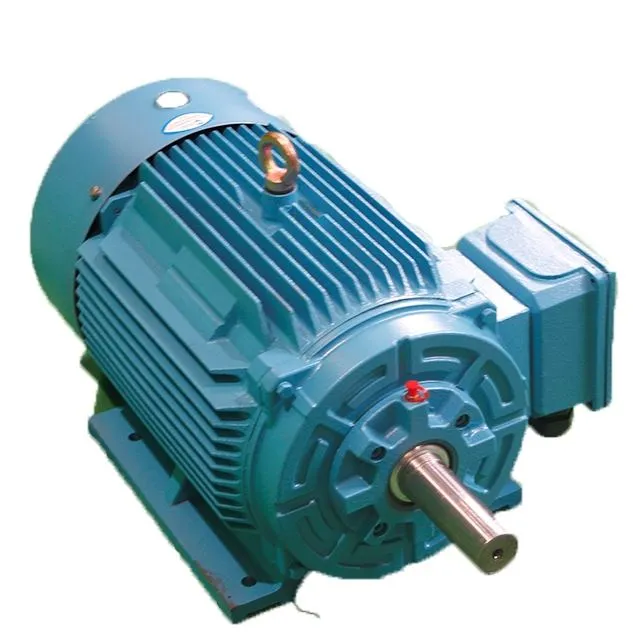
Understanding the Air Gap in a 3 Phase AC Motor
Before we explore the impact of the air gap, let's first understand its basic function. In a 3 phase AC motor, the stator, which is the stationary part of the motor, generates a rotating magnetic field. The rotor, the rotating part, is designed to interact with this magnetic field, causing it to rotate. The air gap is the physical separation between these two components.
The air gap serves several important purposes. It allows for the free rotation of the rotor without mechanical contact with the stator, which reduces friction and wear. It also provides a path for the magnetic flux to flow between the stator and the rotor, enabling the conversion of electrical energy into mechanical energy.
Influence of Air Gap on Magnetic Flux
One of the primary ways the air gap affects the performance of a 3 phase AC motor is through its impact on magnetic flux. Magnetic flux is the measure of the total magnetic field passing through a given area. In a motor, the magnetic flux is responsible for creating the torque that drives the rotor.
A smaller air gap results in a stronger magnetic field and higher magnetic flux density. This is because the magnetic field lines have a shorter distance to travel between the stator and the rotor, reducing the reluctance (resistance to magnetic flux) in the magnetic circuit. As a result, more magnetic flux can pass through the air gap, leading to increased torque production and improved motor efficiency.
Conversely, a larger air gap increases the reluctance in the magnetic circuit, reducing the magnetic flux density. This can lead to a decrease in torque production and a decrease in motor efficiency. In extreme cases, a large air gap can cause the motor to draw more current to compensate for the reduced magnetic flux, resulting in increased energy consumption and overheating.
Effect on Motor Efficiency
The efficiency of a 3 phase AC motor is a measure of how effectively it converts electrical energy into mechanical energy. A higher efficiency means that less energy is wasted as heat, resulting in lower operating costs and a more sustainable motor.
As mentioned earlier, a smaller air gap can improve motor efficiency by increasing the magnetic flux density and reducing the reluctance in the magnetic circuit. This allows the motor to produce more torque with less input power, resulting in a higher efficiency. On the other hand, a larger air gap can decrease motor efficiency by reducing the magnetic flux density and increasing the reluctance, leading to a higher input power requirement and more energy wastage.
In addition to the air gap size, the uniformity of the air gap also plays a crucial role in motor efficiency. An uneven air gap can cause uneven magnetic flux distribution, leading to increased losses and reduced efficiency. Therefore, it's essential to ensure that the air gap is uniform around the circumference of the motor to maintain optimal performance.
Impact on Torque and Power Output
Torque is the rotational force that causes the rotor to turn, while power output is the amount of work the motor can perform. The air gap has a direct impact on both torque and power output.
A smaller air gap results in a stronger magnetic field and higher magnetic flux density, which leads to increased torque production. This allows the motor to start up more quickly and handle heavier loads. In contrast, a larger air gap can reduce the torque production, making it more difficult for the motor to start and operate under load.
The power output of a 3 phase AC motor is also affected by the air gap. A smaller air gap improves the motor's efficiency, allowing it to produce more power with less input energy. This means that a motor with a smaller air gap can deliver a higher power output for the same amount of electrical input, making it more cost-effective and energy-efficient.
Air Gap and Motor Cooling
Another important aspect of the air gap's influence on motor performance is its impact on motor cooling. The air gap provides a path for air to circulate between the stator and the rotor, helping to dissipate heat generated during operation.
A larger air gap allows for better air circulation, which can improve the motor's cooling efficiency. This is particularly important in high-power motors, where excessive heat can cause damage to the motor's components and reduce its lifespan. On the other hand, a smaller air gap may restrict air circulation, leading to increased heat buildup and potential overheating.
Considerations for Air Gap Design
When designing a 3 phase AC motor, it's essential to carefully consider the air gap size and uniformity. The optimal air gap size depends on several factors, including the motor's power rating, speed, and application.
In general, smaller air gaps are preferred for high-performance motors that require high torque and efficiency. However, it's important to ensure that the air gap is not too small, as this can lead to mechanical interference between the stator and the rotor, causing damage to the motor.
The uniformity of the air gap is also crucial. An uneven air gap can cause uneven magnetic flux distribution, leading to increased losses and reduced efficiency. Therefore, it's important to use precision manufacturing techniques to ensure that the air gap is uniform around the circumference of the motor.
Conclusion
In conclusion, the air gap plays a critical role in the performance of a 3 phase AC motor. It affects the magnetic flux, motor efficiency, torque, power output, and cooling. By carefully considering the air gap size and uniformity, motor designers can optimize the motor's performance and ensure its reliability and longevity.
As a 3 phase AC motor supplier, we understand the importance of the air gap in motor performance. We offer a wide range of high-quality motors with carefully designed air gaps to meet the diverse needs of our customers. Whether you're looking for a Temperature Rise Motor, a Low Voltage 3 Phase Motor 22KW, or a Multi Speed Induction Motor, we have the right solution for you.
If you're interested in learning more about our 3 phase AC motors or have any questions about air gap design and its impact on motor performance, please don't hesitate to contact us. Our team of experts is ready to assist you in finding the best motor for your application and provide you with the support you need to ensure its optimal performance.
References
- Chapman, S. J. (2012). Electric Machinery Fundamentals. McGraw-Hill.
- Fitzgerald, A. E., Kingsley, C., & Umans, S. D. (2003). Electric Machinery. McGraw-Hill.
- Krause, P. C., Wasynczuk, O., & Sudhoff, S. D. (2013). Analysis of Electric Machinery and Drive Systems. Wiley.